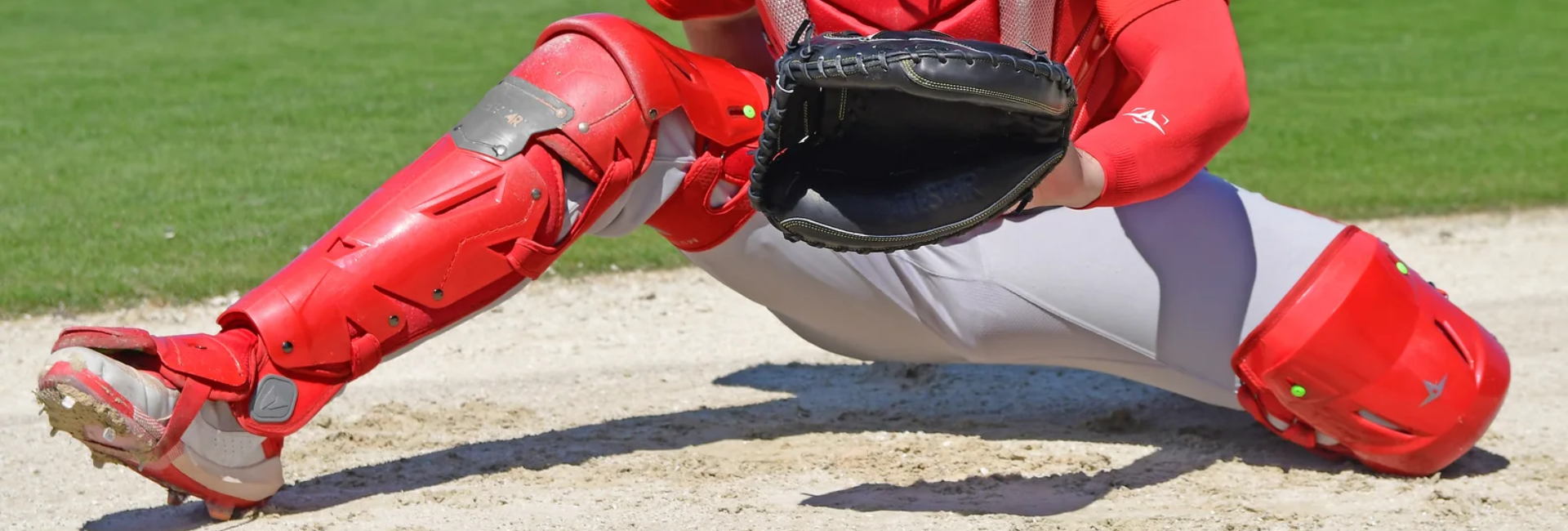
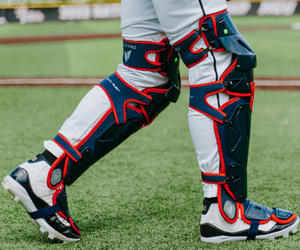
Coverage and Shell Design
The outer shell of the leg guard should cover from the knee down to the top of the foot, catchers need that full range because of blocking balls in the dirt. The design should also include side wings or flaps that protect the ankle/foot area to ensure your protection when moving laterally or when standing up quickly. Because catchers are high-impact with foul tips, wild pitches in the dirt, sliding runners, etc. So you’ll want guards made from high-density plastic or other sturdy shell material to ensure the best protection.
Comfort and MobilityInterior foam or padding is critical when looking for leg guards. You'll be squating down a lot during practise or in games, so bands/straps and liners should be comfortable and breathable. But mobility is also very important for a catcher. Good guards have hinged sections or multiple segmented pieces so your knees bend in a natural manner, and you can push off, move side-to-side, or stand up without major restriction.
Straps and Fit
In most cases there are 2 or 3 straps per leg to allow you to adjust the leg guard to your fitting preference. The straps should hold the guards firmly but allow movement, if it's too tight you might feel restricted. Fit stability is escpecially important because when a guard moves around it could be very dangerous when standing up or shifting position. To know which size you should buy, you start at the middle of your knee and measure all the way down to your ankle. The sizes are catergorized differently depending on the type of leg guard. Most brands use the same age categories as the chest protectors, age 7-9 (12,5"), age 9-12(13,5"), age 12-16(14,5"), and adult (16,5") size. But make sure that you check the size in the description first because they can differentiate up to an inch. Make sure when you are looking for a new leg guard to always choose measurement size over age to ensure the leg guards fits best.