Buying Guide
Last updated: 28 January 2026 | 2 min read

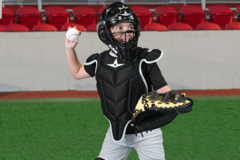
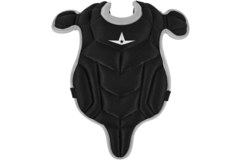
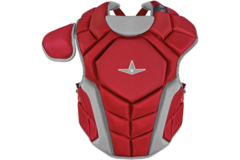
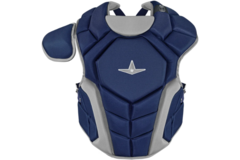
A chest protector is the padded vest that a catcher wears over the torso, covering the chest, shoulders (and in many cases part of the stomach and ribs). It’s a critical piece of gear for the position, since catchers face high-velocity pitches, foul tips, and unpredictable play in the dirt. This guide will break down the importants of a good chest protector and how to find your perfect fit.
Why It Matters
The obvious reason why a chest protector is necessary is your protection, a chest protector shields your chest, neck, shoulders, and vital organs (heart, lungs, ribs, and stomach) from impact done by fast pitches, foul tips, or bat fragments. But fit is as important as protection, a poorly fitted protector can leave gaps, reduce movement, or get in the way when throwing the ball.WBSC Europe has required catchers to wear long model chest protector with a neck collar. So always check your leagues regulations before buying a chest protector to ensure you got one that is legal to play with.
Materials
When buying a chest protector look for good foam or impact-absorbing materials, the better the design and padding, the less a ball bounces back of your body and the better it will absorb the shock. You can make it as expensive as you want for yourself. More expensive chest protectors are made from a lighter and softer foam, this causes the player to move better and faster. With cheaper protectors, the materials are often harder and heavier.
Comfort and Mobilty
Because catcher spend a long time squatting, moving laterally, standing to throw, the protector must allow movement, it shouldn't restrict the arms or rib-cage too much when moving. Ventilation and lighter materials help reduce fatigue and heat build-up. As equipment gets more advanced, the weight goes down while protection improves.
Fit and Sizing
When looking for which size you should buy it is good to know that most brands use four different sizes. Age 7-9, age 9-12, age 12-16, and adult size, but always choose measurement over age. The best way to measure your size is to start from the base of the neck (or collarbone) down to the beltline/waist to determine the correct lenght. Make sure the protector covors your sternum and ribs, and it covers low enough to cover your stomach and waist when you're in a catcher's squat.