Buying Guide
The Essentials of Football Helmet Visors
Types, Fit & Features That Matter - Find your match.
Last updated: 21 January 2026 | 4 min read
A football visor is a popular and practical addition to your helmet setup. It helps protect your eyes from debris, blocks out bright lights, and adds a clean, modern look to your gear. Keep on reading to discover the most important features to look for when choosing the right visor for American Football.
In this guide, you'll discover:
- What a football visor is
- Why players wear them
- Which features matter most
- And how to choose the right visor for your position, helmet, and league rules
What is a Football Visor?
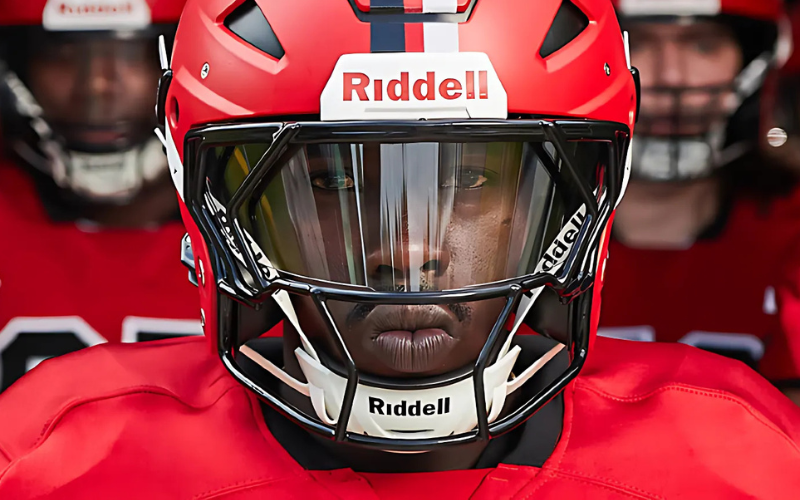
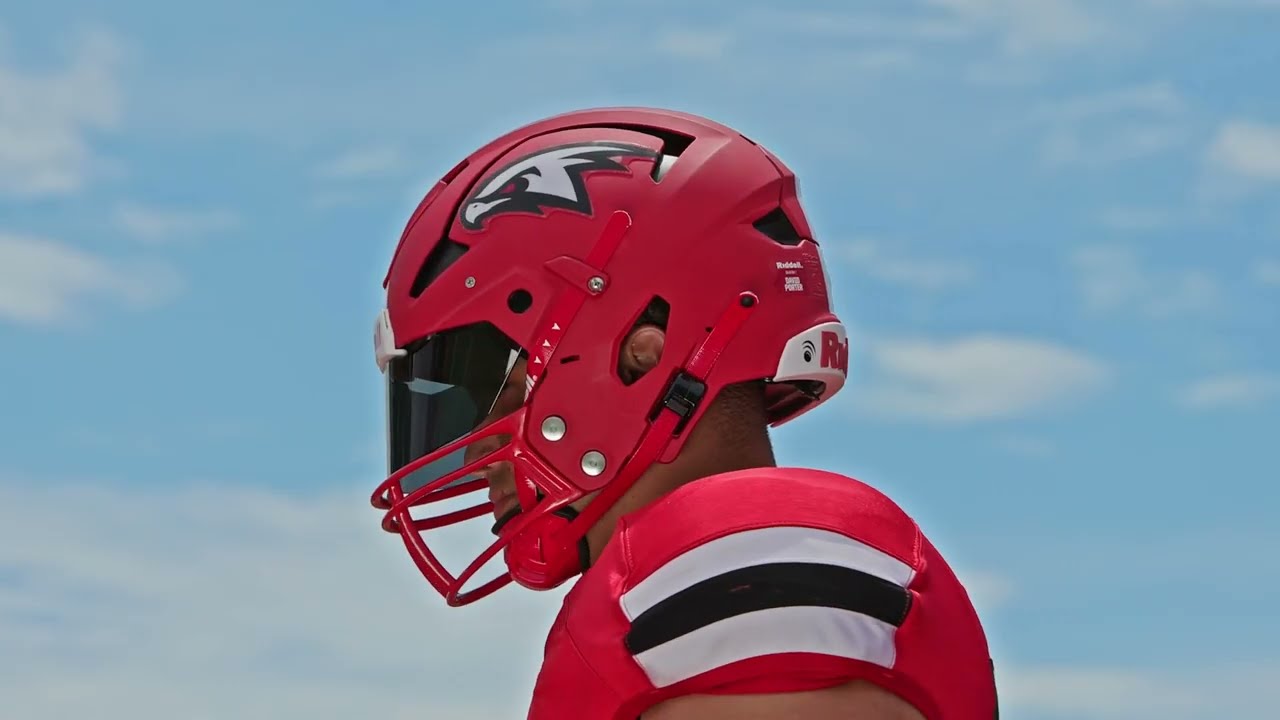
A football visor—also known as an eyeshield—is a curved, impact-resistant lens made from polycarbonate or similar durable plastic. It attaches directly to the facemask of your football helmet, covering your eyes without obstructing your field of vision.
Why Use a Football Visor?
A football visor offers more than just looks. It provides real, practical protection in a sport known for its high-speed collisions and unpredictable plays.
Protection & Safety
Your eyes are one of the most sensitive and vulnerable parts of your body. In pileups or close-contact situations, it’s not uncommon for hands, cleats, or turf to make accidental contact with your face. A visor acts as a physical barrier, helping prevent injuries such as:
- Eye pokes or scratches
- Irritation from turf pellets or dust
- Wind or cold exposure during winter games
Improved Vision in Challenging Conditions
Visors are especially helpful in:
- Bright daylight (to reduce glare)
- Rainy or snowy weather (to shield from wind and drops)
- Night games under artificial lights
Some visors even include anti-fog coatings, keeping your vision clear throughout intense, high-moisture play.
Built for All Positions
While skill position players (like wide receivers, running backs, and defensive backs) most commonly wear visors to help them track the ball and stay focused, other positions benefit too:
- Quarterbacks: Shield eyes without losing field vision
- Linemen: Added protection in close-quarter battles
- Youth players: Hygiene and confidence booster
- All players: A clean, customized helmet look
Visor Compatibility & League Rules
Visors may look great, but not all types are allowed in every football league. In most leagues—especially at the youth, amateur, or club level—it’s important that your eyes remain visible through the visor. That means the visor cannot be too dark, tinted, or reflective. This rule exists so coaches, referees, and medical staff can assess eye injuries or player responses in real-time.
Key Points:
- Clear visors are usually permitted and safest to choose
- Tinted, colored, or mirrored visors are often permitted, as long as they are light enough to keep your eyes visible.
- A dark or blackout visor may not be allowed without medical approval.
- Always check with your coach or league officials before purchasing a visor with tint or color
Also, make sure your visor is compatible with your helmet brand (e.g., Riddell, Schutt, Xenith). While most visors are labeled “universal fit”, it's best to double-check the product description to avoid any fitment issues.
Choosing the Right Visor
The most important thing to check before purchasing is whether the visor will fit your helmet. Most adult visors have a universal fit for major brands like Riddel, Schutt, and Xenith. Youth players should double-check sizing, as not all visors fit smaller facemasks properly.
Material matters too. High-quality visors are made from polycarbonate, a lightweight but highly durable material that resists shattering. Look for visors with anti-fog and scratch-resistant coatings to ensure clear vision throughout the game. Most visors attach with simple clips although some offer tool-free or quick-release systems for fast adjustments.
Types of Visors
Choosing the right visor isn’t just about style. It also depends on what’s allowed in your league and what kind of visibility you need on the field. Below is a breakdown of the most common visor types, what they offer, and where they’re typically permitted.
- Clear – No tint, 100% transparent. Legal in all leagues and levels of play.
- Tinted (Smoke/Grey) – Light tint to reduce glare. May be restricted depending on your league. Always check with your coach.
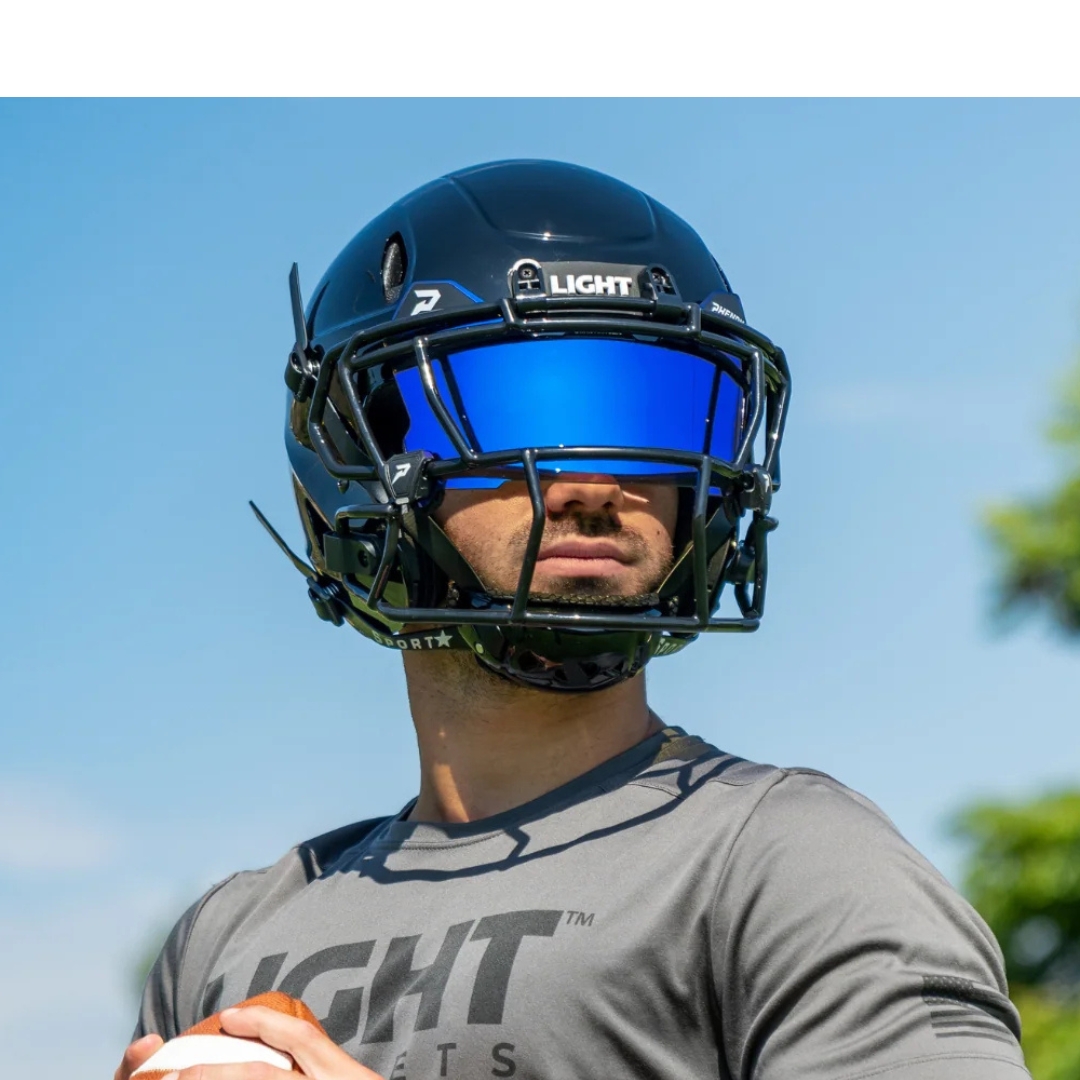
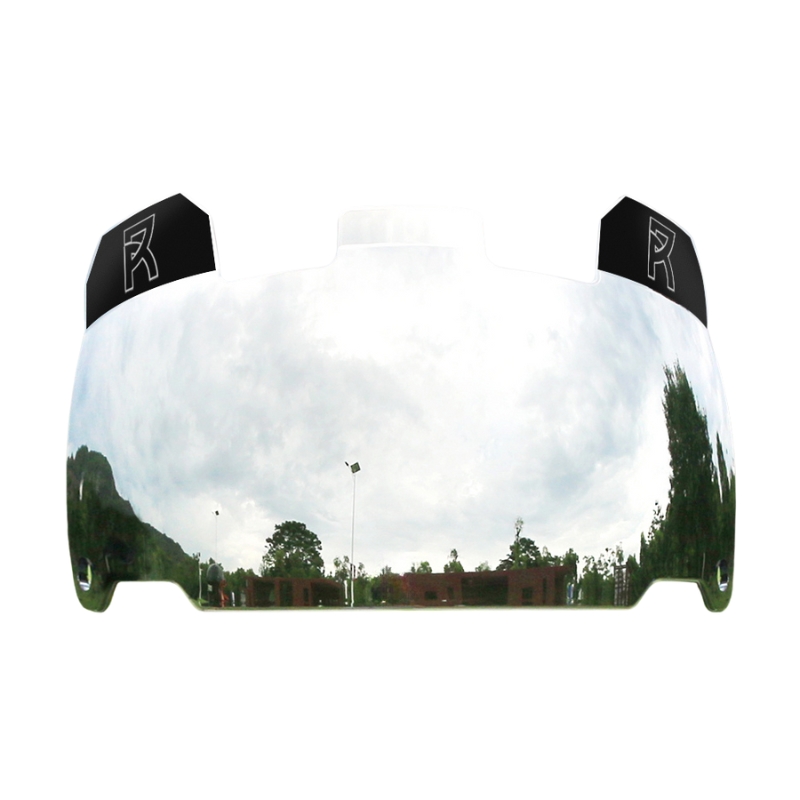
- Mirror/Chrome – Reflective finish that hides your eyes. Often not allowed in official games unless medically approved.
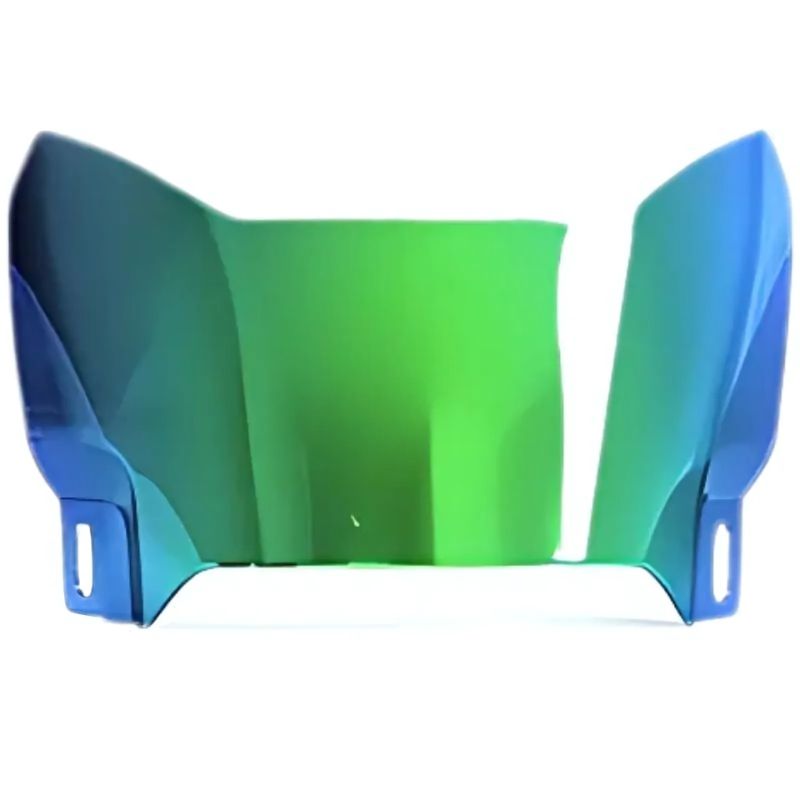
- Colored – Visors in various colors are often permitted, as long as they are light enough to keep your eyes visible. Always check with your coach.
Popular Visor Brands
Keeping Your Visor Game Ready
- Always clean your visor using a soft microfiber cloth. Avoid paper towels or rough fabrics, which can cause fine scratches.
- Do not use harsh chemicals or abrasive cleaners—stick to water or a gentle lens-safe solution.
- Store your visor in a protective pouch or soft case when not in use. Keeping it loose in your gear bag can lead to scratches, warping, or cracks.
- Avoid leaving your visor exposed to direct sunlight or high heat, as this may warp the lens or damage anti-fog and anti-scratch coatings.
Ready to gear up? Explore Forelle’s full range of visors and helmet accesoires online and take your setup to the next level. Because when you look good, feel good, and see clearly, your game speaks for itself.