


Buying Guide
Football Chinstrap Guide: Fit, Protection & Comfort
Learn about sizes, fit, and chinstrap types —find the right chinstrap for your helmet
Last updated: 21 January 2026 | 2 min read
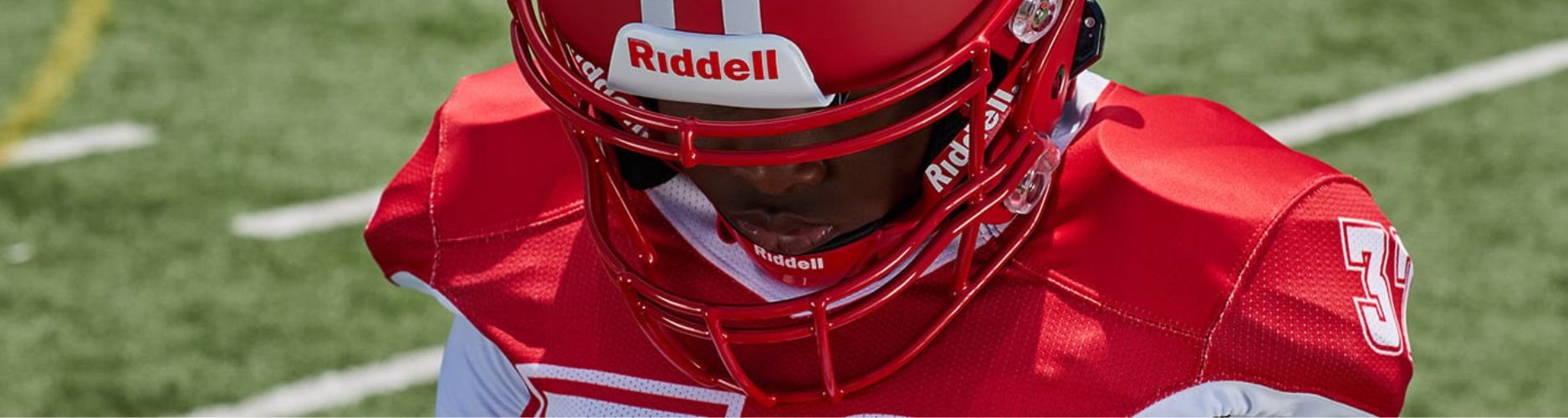
A chinstrap may seem like a small part of your helmet setup, but it plays a critical role in both safety and fit. It keeps your helmet securely in place, protects your jaw and lower face, and ensures your gear meets league safety standards. That’s why choosing the right chinstrap—based on your helmet, position, and comfort needs—is essential. If you’re getting ready for the new season or upgrading your gear, this guide will walk you through everything you need to know to choose the right chinstrap for your American football helmet.
Why a Good Chinstrap Matters
Your helmet is designed to absorb hits—but if it doesn't stay in place, its protection is compromised. A quality chinstrap improves the stability, fit, and safety of your helmet. Nobody wants to chase a flying helmet after a big play, right Modern chinstraps go beyond the basics. Many include gel padding, durable materials, and easy adjustability, all designed to keep you focused on the game—not your gear.
What to Look for in a Quality Chinstrap
In addition to the type, the materials used in your chinstrap play a big role in comfort, durability, and hygiene. Here are the key components to pay attention to:
- Straps: Usually made from strong nylon, designed to withstand contact while staying flexible and comfortable against the skin.
- Padding: High-end chinstraps use medical-grade foam or hypoallergenic gel for softness and skin protection. Many are removable and washable, helping you keep your gear fresh.
- Shell: For hard and hybrid models, the shell is typically made from polycarbonate—a lightweight, impact-resistant material used in high-performance sports gear.
These features ensure your chinstrap not only offers reliable protection but also lasts through the season and keeps your helmet firmly in place—exactly where it should be.
Chinstrap types
Football chinstraps come in several styles, each offering different levels of protection, comfort, and fit. Choosing the right one depends on your position, playing level, and personal preference.
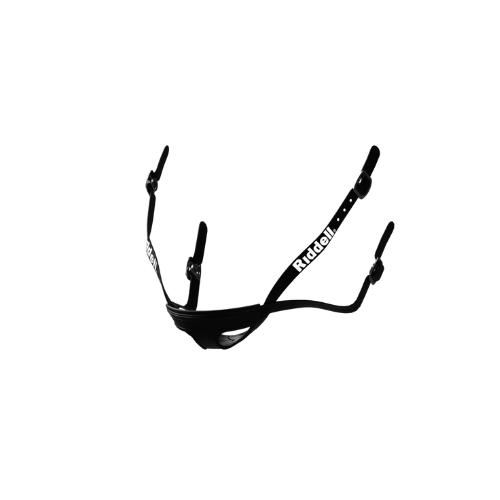
- Soft Cup Chinstraps
Soft cup chinstraps offer basic protection and are usually made from padded foam or vinyl. They're lightweight, comfortable, and a popular choice for youth players or recreational athletes who need minimal bulk with enough support to keep their helmet stable.
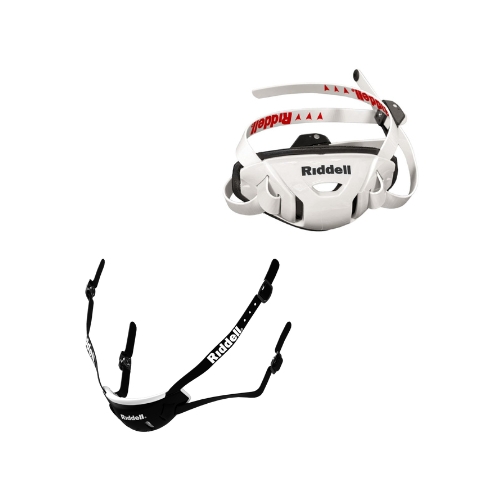
- Hard Cup Chinstraps
A hard cup chinstrap features a rigid outer shell, often made of polycarbonate, combined with inner foam or gel padding. It provides superior impact protection, making it ideal for varsity, college, or contact-heavy positions such as linebackers or running backs.
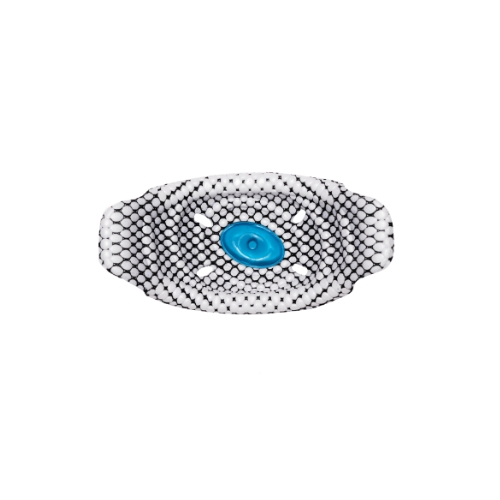
- Gel or Hybrid Chinstraps
Hybrid chinstraps combine the toughness of a hard shell with the comfort of gel or air padding. These offer maximum shock absorption and are especially useful for linemen, linebackers, or any player who experiences repeated high-impact contact.
Before buying a new chinstrap, it’s essential to check whether it fits your specific helmet model. Not all chinstraps are universal—some are designed to work only with certain brands or helmet systems.
Popular Chinstraps


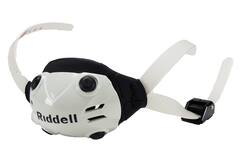
Chinstrap Mounting Systems
There are two common mounting methods used to attach chinstraps to your helmet:
Snap-On Mount
- Uses buckles that snap onto helmet posts
- Quick to attach and remove
- Most common on youth and high school helmets
Ratchet System
- Found on advanced helmets like the Riddell SpeedFlex
- Uses a screw-in ratchet mechanism for precision adjustment
- Offers a very secure, snug fit ideal for high-impact play
Both systems are effective—the right choice depends on your helmet model and personal preference.
How to Properly Fit a Football Helmet and Chinstrap
Getting the right helmet fit is just as important as choosing the right chinstrap. A well-fitted helmet combined with a secure chinstrap not only improves comfort, but also enhances protection during contact and high-speed play.
Follow these steps to ensure everything fits as it should:
Step 1: Put On the Helmet
- Place the helmet on your head evenly—it should fit snugly, not loose
- Use inflatable padding (if included) to adjust pressure in key areas like the crown or sides
- Swap interchangeable pads if needed for a better fit
- Make sure there are no gaps around the temples or jawline

Step 2: Check for Proper Fit
- Shake your head gently—the helmet should not move or wobble
- Apply pressure on the crown of the helmet—the force should distribute evenly across the head, not on your forehead
- If the helmet shifts easily or feels loose, it’s either too big or improperly fitted
Step 3: Fit the Chinstrap Correctly
Once your helmet is secure, it’s time to fit the chinstrap. Most models are adjustable and come in youth or adult sizing.
Here’s what to look for:
- The chinstrap should sit centered under your chin, not on your neck or jaw
- Buckle it firmly so that it locks the helmet in place
- Adjust all straps evenly for balanced tension
- There should be no slack—if you shake your head, the helmet should remain stable
- The chin cup should feel secure but not tight, and should not dig into the skin
Chinstrap Sizes: Youth vs. Adult
Chinstraps are generally adjustable, but sizing still matters. Here's what to know:
- Youth and Adult Sizes: Some brands offer chinstraps specifically for youth or adult players.
- One-Size-Fits-All: Many models are adjustable enough to fit most players regardless of age.
- Size Labels: If your chinstrap comes in sizes like Small, Medium, or Large, make sure to check your helmet’s label (usually found inside or on the back) to match the right fit.