Breaking In Your Glove: Hinge Points, Flexing & Conditioning
To properly break in a baseball or softball glove, it’s important to focus on the hinge points — particularly at the “heel” of the glove. One effective method is to grip the glove by the thumb and pinky (with the web facing away from you), then repeatedly open and close it using a light twisting motion. This helps loosen the hinge and improves the glove’s flexibility where it matters most.
Another break-in technique used by some pro players involves flipping the glove inside out. To do this, hold the glove with the back side facing you and push the pocket area outward using both thumbs. This stretches the leather and lacing slightly, softening the glove and initiating the break-in process. However, be cautious — overstretching can damage the lacing or enlarge the holes that the laces pass through.
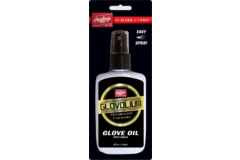
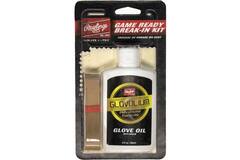
Glove conditioning also plays a role in long-term leather care, though it doesn’t directly speed up the break-in process. All-Star gloves, for example, use oil-treated leather, so applying extra conditioner won’t make the glove more flexible immediately. Still, using a glove conditioner once a year can help keep the leather hydrated and prevent cracking. Just be sure to avoid products that contain silicone, which can dry out the leather over time. Look for ingredients like lanolin and beeswax instead.
Also, keep in mind that applying water or steaming your glove may void its warranty. While steam can temporarily soften the glove, it adds weight and may cause the leather to dry out in the long run. We do not recommend steaming your glove.
Proper Glove Storage
Taking care of your glove doesn’t stop after breaking it in — the proper space to store your glove is key to maintaining its shape, flexibility, and longevity.
If your glove gets wet during a game or practice, always let it dry naturally in a warm, dry place. Never try to speed up the process with direct heat, as this can dry out or crack the leather. Before storing, make sure to remove any excess dirt using a dry or slightly damp cloth to keep the leather clean and in good condition.
When your glove is not in use, store it with a ball placed in the pocket, exactly where you want the glove to form. Tightly secure it with a shoelace,
rubber band, or
glove wrap to help retain the pocket shape over time.
It’s also important to store your glove in a mild or room-temperature environment. Avoid leaving it in cold or damp places like a garage or basement, as extreme temperatures can harden the leather or cause unwanted warping.
By following these simple glove storage tips, you’ll extend the life of your glove and keep it game-ready year-round.