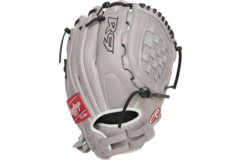
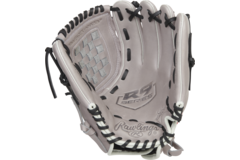
34.95
In stock
Buying Guide
Last updated: 22 January 2026 | 4 min read

Pitching in softball is about control, focus, and technique. But even the best pitchers need the right glove to perform at their best. Softball pitchers use gloves with specific features—designed to hide the ball, offer support, and help with quick, powerful plays. In this guide, you’ll learn more about the different softball pitching glove types, what to look for, and how to choose one that suits your position and playing level.
What Makes a Pitching Glove Different?
Softball pitching gloves are designed with a few key differences compared to regular fielder gloves:
Closed or Modified Webbing
Deeper Pocket
Neutral Colors
Extra Support
These design choices help pitchers stay consistent and confident on the mound.

Pocket Depth
Fastpitch gloves have a deeper pocket, these gloves are designed with the player as priority. The deeper pocket is because a softball is larger than a baseball. There are a lot of variations amongst gloves by positions. The deeper pocket also makes it easier to control the grip on your pitch and keeps the ball hidden from the opposition.
Web Design
A closed web also helps the pitcher to hide the pitch. The one-piece-web or two-piece-web both give no viewing window to the batter. This makes sure that the ball and the hand from the pitcher are completely covered. Web design is an important part of the glove to keep in mind because it can be the difference between a strike and a home run. Keep this in mind.
Knotless Back Design
This is a feature that younger players might need. In pitching pulling down your glove hand at the same speed as your throwing hand during a windup is very important for your timing. A typical technique to accomplish this is to slap your leg with your glove. When you do this with a knotted back design can harm your leg and leave marks or even bruises. Therefore the softball pitcher glove designs have taken this into consideration and ended up with a knotless back design. This decreases the aftereffects of this technique.

Sizing
Pitchers will look for a glove that they can control comfortably. They field less balls than other position players, they don’t take range or ball transfer into major consideration. Web design is the most important feature in a pitcher’s glove. Glove size matters—too big, and it slows your reaction time. Too small, and you lose control. Try to look for a glove that will cover up the whole ball.
| Level | Type | Position | Glove Size |
|---|---|---|---|
| Youth | Fastpitch | Infield | 10,5″ to 11″ |
| Youth | Fastpitch | Outfield | 11″ to 11,5″ |
| Adult | Fastpitch | Infield | 11,5″ to 12″ |
| Adult | Fastpitch | Outfield / 1st Base | 12″ to 13″ |
| Adult | Slowpitch | Infield | 12″ to 13″ |
| Adult | Slowpitch | Outfield | 12,5″ to 14″ |
Material
There are a couple of options to choose from when going for a pitcher glove. For example synthetic, cowhide, full-grain, pigskin and steerhide. Cowhide and pigskin will be better for your wallet, but full-grain and steerhide gloves have been shown to last longer. This is why most of the premium and pro series gloves have been made from these two leather types. But the decision is still up to the player.
Just like any other piece of your equipment, you have to make sure that you’re comfortable with it. A nice and controllable fit is essential for the player and they can still use their personal preference when it comes to color and material. Remember that you have to feel confident with the glove.
Accessories
To get the most out of your pitchers glove there are multiple glove accessories available to maintain your glove. Use a glove break in kit to break in your glove or glove conditioner to enhance the life of the leather.