Buying Guide
What are the benefits to a composite bat?
Here's Why Composite Bats Stand Out
Last updated: 30 January 2026 | 4 min read
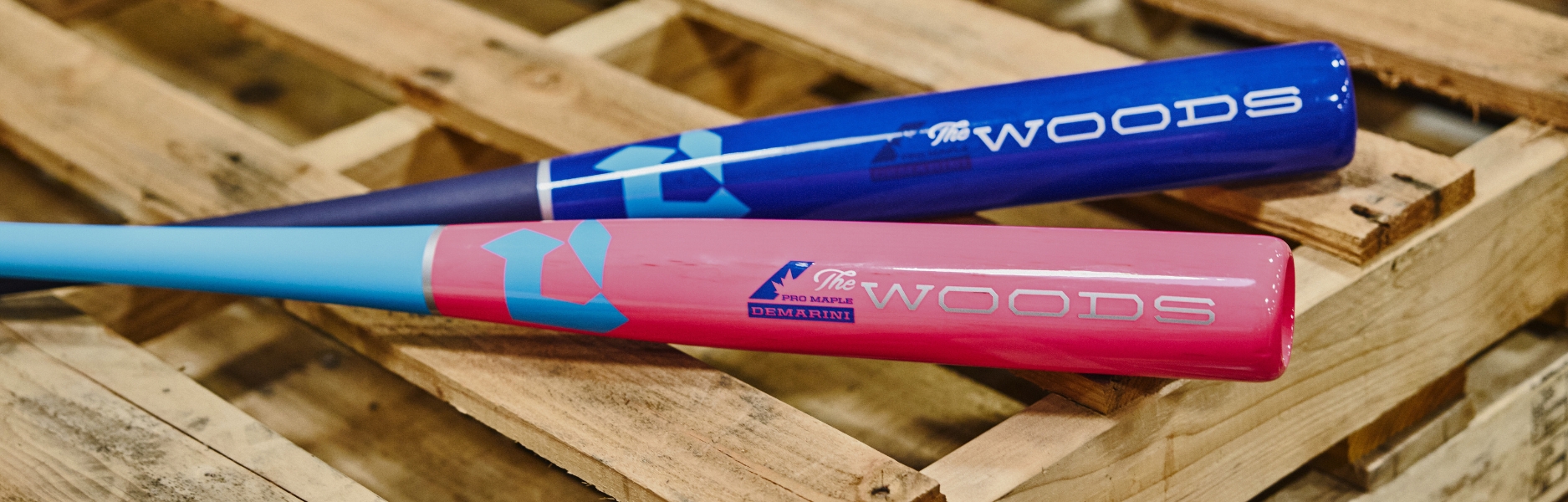
Are you thinking about getting a new wood baseball bat, but not sure which turn model or knob style suits you best? This guide will help you understand the key features of wood composite bats so you can choose the right one for your playing style.
Why Choose a Maple Wood Composite Bat?
Swinging with a wood bat gives you a unique experience — the classic sound, solid feel, and natural feedback when the ball meets the barrel. But composite wood bats take it one step further. These bats combine real wood with advanced materials like fiberglass or carbon fiber. The result? A bat that’s more durable, reduces vibrations, and stays consistent over time. Compared to regular wood bats, composite models last longer and often perform better during intense use, such as training or league play.
"Are Wooden Composite Bats BBCOR Certified?"
Yes, many wooden composite bats are BBCOR certified, meaning they meet the performance standards required for high school and college baseball play. BBCOR (Batted Ball Coefficient of Restitution) certification ensures that the bat has a balanced performance and mimics the feel of traditional wood bats. Composite wood bats often combine durability with consistent performance, making them a great choice for players who want a long-lasting bat that meets official regulations.
Note: A wooden composite bat must be broken in carefully, otherwise it can break. Want to know how? Read our guide: “How to Break In a Composite Bat.”
Understanding Wood Bat Turn Models
When choosing a wood bat — especially a composite one — it’s important to understand the turn model. A turn model is the design blueprint for how the bat is shaped: the barrel size, handle thickness, and taper style.
Most wood bats, including composite ones, are cut using popular turn models. Here are the most common ones:
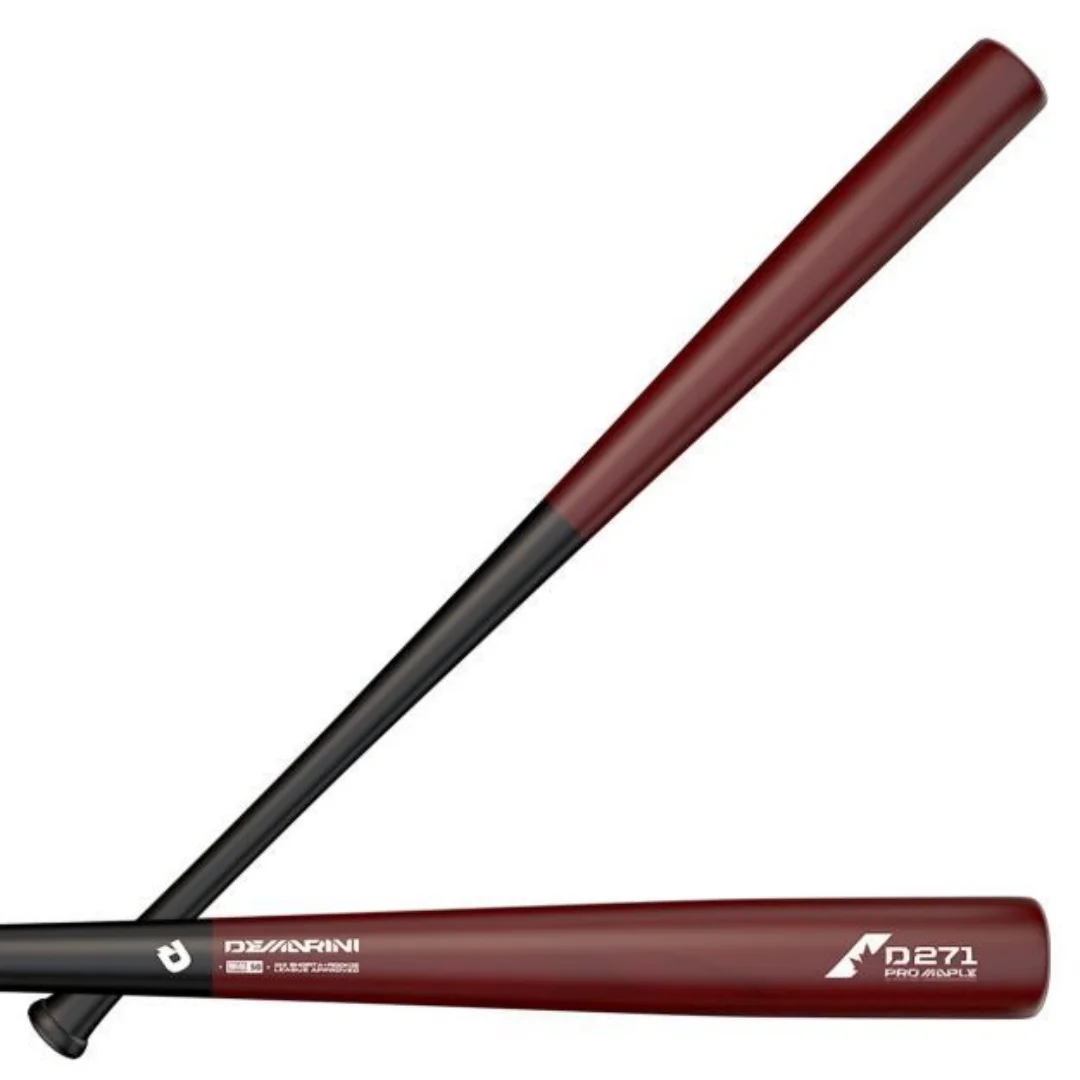
- DeMarini 110 Turn Model
The 110 is a very balanced bat, ideal for players who are new to swinging wood. With a 1-inch handle and a slow taper into the 2½-inch barrel, it offers excellent control and is great for all hitting styles.
Check out our 271 turn model bat here.

- DeMarini 243 Turn Model
This bat is built for power hitters. It has a 29/32-inch handle and a 2⅝-inch barrel, which gives it a top-heavy feel. The quick taper makes it easier to generate whip and power through the zone.
Check out our 271 turn model bat here.

- DeMarini I-13 Turn Model
Very similar to the 271, but with a sharper, faster taper. This puts more weight in the barrel, making it another great option for players who like to hit with power.
💡 Tip: Composite bats can follow any of these turn models — but with added strength and lifespan. Want to learn more about choosing wood types? Check out our other guide: "The Different Types of Wooden Baseball Bats Explained".

- Baum AAA PRO – White Edition
The White Edition from Baum’s AAA PRO line combines cutting-edge composite wood technology with a clean, classic design. Known for its excellent durability and balanced swing feel, this bat is ideal for players who want consistent performance in all conditions.
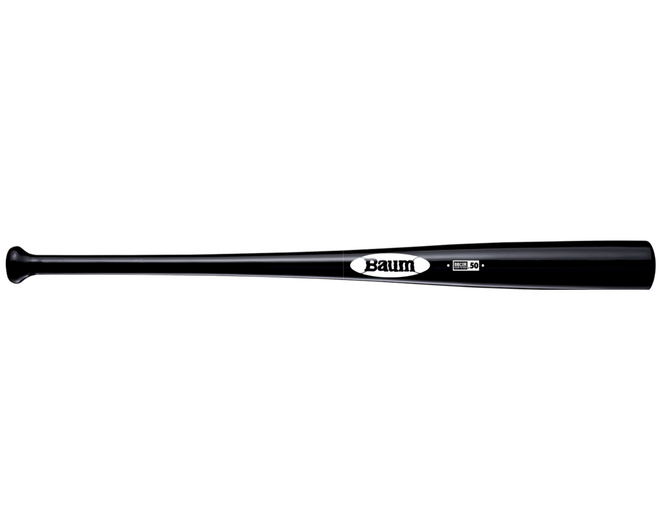
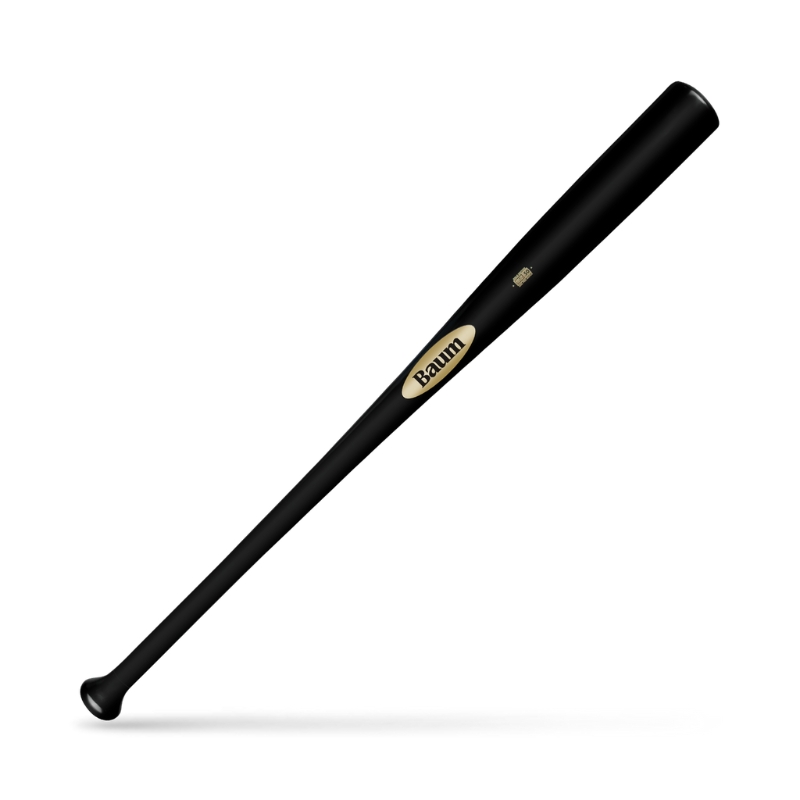
- Baum AAA PRO – Gold Edition Maple
The Gold Edition Maple offers a premium feel with a maple wood finish, giving players the traditional wood bat sound and feedback—plus the added strength of composite construction. Built for high-level hitters, this bat delivers powerful contact and long-lasting performance.
Bat Knobs: Small Details, Big Differences
Just like barrels and tapers, bat knobs also come in different styles. The knob affects your grip, comfort, and swing control. Here are the most common types:
- Standard Knob
A straight, classic knob — just like on most metal bats. Great for beginners moving into wood or composite bats.
- Tapered Knob
This knob has a smooth transition from handle to knob, giving a more natural feel in the hands. Very popular among experienced hitters.
- Bell Knob
A larger knob that acts as a counterweight. This can help increase bat speed and improve whip through the hitting zone.
- Cone Knob
Features a gradual taper, offering a comfortable, ergonomic grip. Ideal for players recovering from injury or those who let their fingers hang off the bat end.