1. Webbing: Open vs. Closed – Which Is Better?
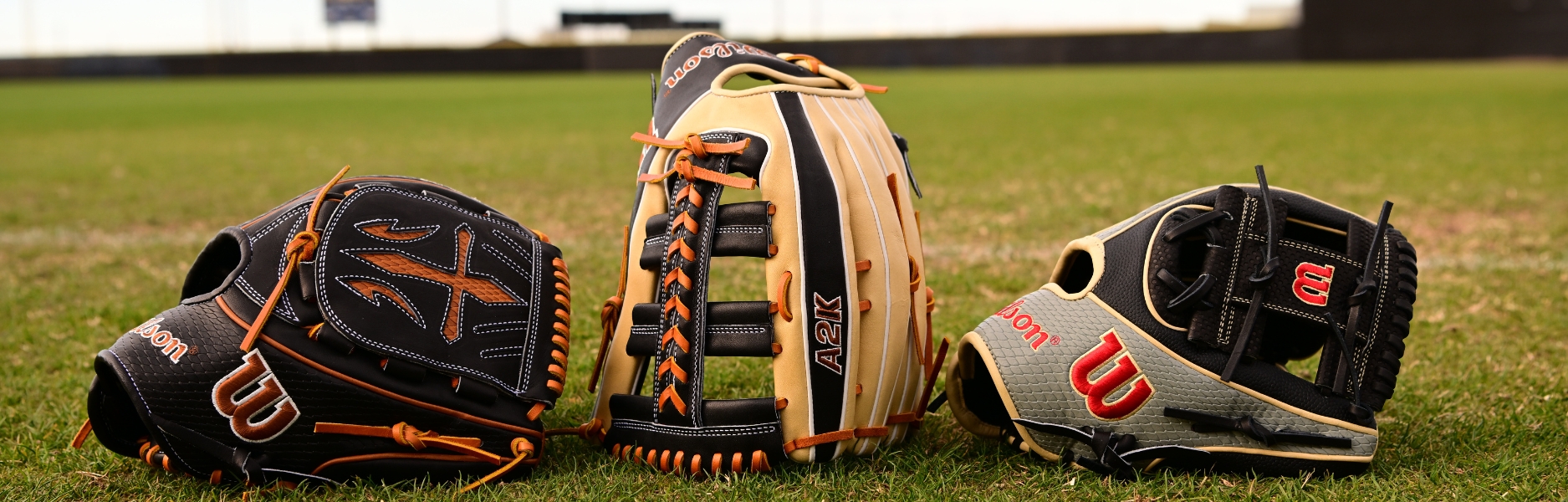
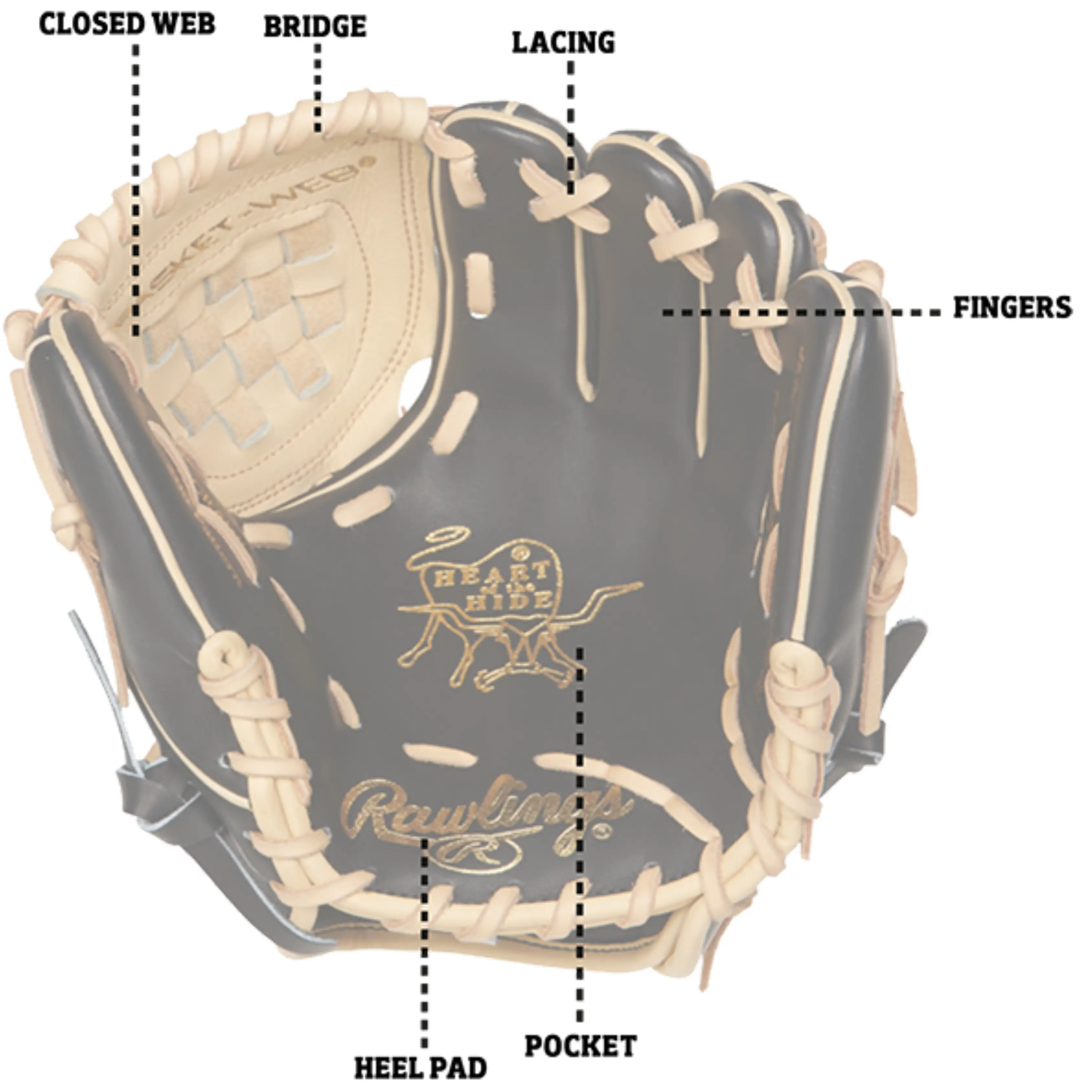
When it comes to pitcher glove design, webbing is critical. You have two main options:
- Closed web – Ideal for pitchers. The fully covered space between your thumb and index finger hides your grip and pitch selection from the batter.
- Open web – More common for infielders; not typically recommended for pitchers.
Pro tip: Always go for a closed web glove for better pitch concealment and added confidence on the mound.
2. Comfort & Weight: Light, Secure, and Game-Ready
Pitcher gloves are typically lighter and less padded than other positions. Why?
- To allow quick hand movements
- To avoid interfering with your throwing motion
- To provide a snug, custom-like fit
Make sure your glove feels like a natural extension of your hand – not a weighted training tool. Flexibility and feel are key.
3. Sizing Guide: Youth vs. Adult Pitcher Gloves
Glove size makes a huge difference in control and performance. Here's a quick breakdown:
Youth Pitchers (Ages 12 and under):
- Size: 11.5" – 11.75" (Inches)
- Fit: Lightweight, snug, with adjustable wrist straps
Adult Pitchers (Ages 12+):
- Size: 11.5" – 12" (Inches)
- Fit: Slightly roomier, still adjustable for a custom feel
Always ensure the glove fits your hand properly – not too tight, not too loose.
4. Accessories to Extend the Life of Your Glove
Want to make the most of your investment? Take care of your glove with these must-have accessories:
- Glove break-in kits – Soften and shape your glove faster
- Leather conditioner – Keeps the leather soft, flexible, and durable
- Glove storage tools – Maintain shape and structure when not in use
Regular care keeps your glove game-ready for seasons to come.