


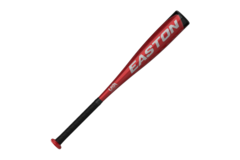
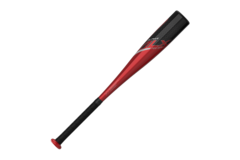
70.25
In stock
Buying Guide
Last updated: 30 January 2026 | 4 min read

The journey to become an All Star starts when you're little. That's why it's important that you play with the correct equipment right from the start. So when you're little champion is ready for it's first own tee ball bat, what do you need to look for? This guide will help you tow know what to look for when you want to buy a new tee ball bat.
What Is Tee Ball?
Tee ball is often a child’s first introduction to baseball or softball. Instead of hitting a pitched ball, kids hit from a stationary tee. This helps them build coordination, timing, and confidence at the plate. With the right tee ball bat, young players can learn proper swing mechanics while having fun. But using the wrong bat can make the game harder and less enjoyable. That’s why it’s essential to choose a bat that’s the right length, weight, and drop.
What's the Difference Between a Tee Ball Bat and a Youth Bat?
A tee ball bat is designed for very young players (ages 4–6) who are hitting a ball from a stationary tee. These bats are lighter and shorter. They are not made for hitting pitched balls and are often used in early beginner leagues. In contrast, a youth bat is made for older children (around 7–12 years old) who are playing in leagues with live pitching. Youth bats are typically longer, heavier, and built to handle faster ball speeds. They must also meet specific league certifications, such as USA Baseball or USSSA standards.

Bat selection chart
| Your Weight (kg) | Your Height (cm) | |||||||||
|---|---|---|---|---|---|---|---|---|---|---|
| 100 | 110 | 120 | 130 | 140 | 150 | 160 | 170 | 180 | 180+ | |
| Less than 28 | 26" | 27" | 28" | 29" | 29" | 30" | 30" | |||
| 28 - 32 | 27" | 27" | 28" | 29" | 30" | 30" | 31" | |||
| 33 - 36 | 28" | 28" | 28" | 29" | 30" | 30" | 31" | |||
| 37 - 41 | 28" | 28" | 29" | 29" | 30" | 30" | 31" | 32" | ||
| 42 - 45 | 28" | 28" | 29" | 30" | 30" | 31" | 31" | 32" | ||
| 46 - 50 | 29" | 29" | 29" | 30" | 30" | 31" | 31" | 32" | ||
| 51 - 54 | 29" | 29" | 29" | 30" | 30" | 31" | 31" | 32" | 33" | 33" |
| 55 - 59 | 29" | 29" | 29" | 30" | 30" | 31" | 32" | 33" | 33" | |
| 60 - 64 | 29" | 29" | 30" | 30" | 31" | 31" | 32" | 33" | 33" | |
| 65 - 68 | 30" | 30" | 30" | 31" | 31" | 32" | 33" | 33" | ||
| 69 - 73 | 30" | 31" | 31" | 32" | 32" | 33" | 33" | 33" | ||
| 74 - 77 | 31" | 32" | 32" | 32" | 33" | 33" | 34" | |||
| 78 - 82 | 32" | 32" | 33" | 33" | 34" | 34" | ||||
| 82+ | 33" | 33" | 34" | 34" | ||||||
Most popular length by age
| Age | 5 - 7 | 8 - 9 | 10 | 11 - 12 | 13 - 14 | 15 - 16 |
|---|---|---|---|---|---|---|
| Length | 24"/26" | 26"/28" | 28"/29" | 30"/31" | 31"/32" | 32"/33" |
Understanding Bat Weight and Drop
To find the right weight for a tee ball bat, look at the drop number. The drop is the difference between the bat’s length (in inches) and its weight (in ounces).
Example:
A bat that is 25 inches long with a -10 drop weighs 15 ounces (25 - 10 = 15).
Most tee ball bats have a drop between -10 and -14. A higher drop (like -13 or -14) means a lighter bat, which is often better for younger players.
✅ Bat Weight Test:
Have your child hold the bat straight out to the side for 30 to 45 seconds.
If they struggle or the bat droops, it may be too heavy.
Tee Ball Bat Materials & Construction
Tee ball bats are usually made from one of two materials:
Durable and strong. Great for beginners who are still learning to control their swing.
Made from layered materials like carbon fiber. These bats offer more pop, a lighter swing feel, and better vibration control, but can be more expensive.
Most tee ball bats are built with a one-piece design, which gives a stiffer feel and more energy transfer on contact — perfect for helping kids learn solid hitting technique.


