5.35
In stock
Buying Guide
Last updated: 15 September 2025 | 4 min read

What Makes a Softball Unique?
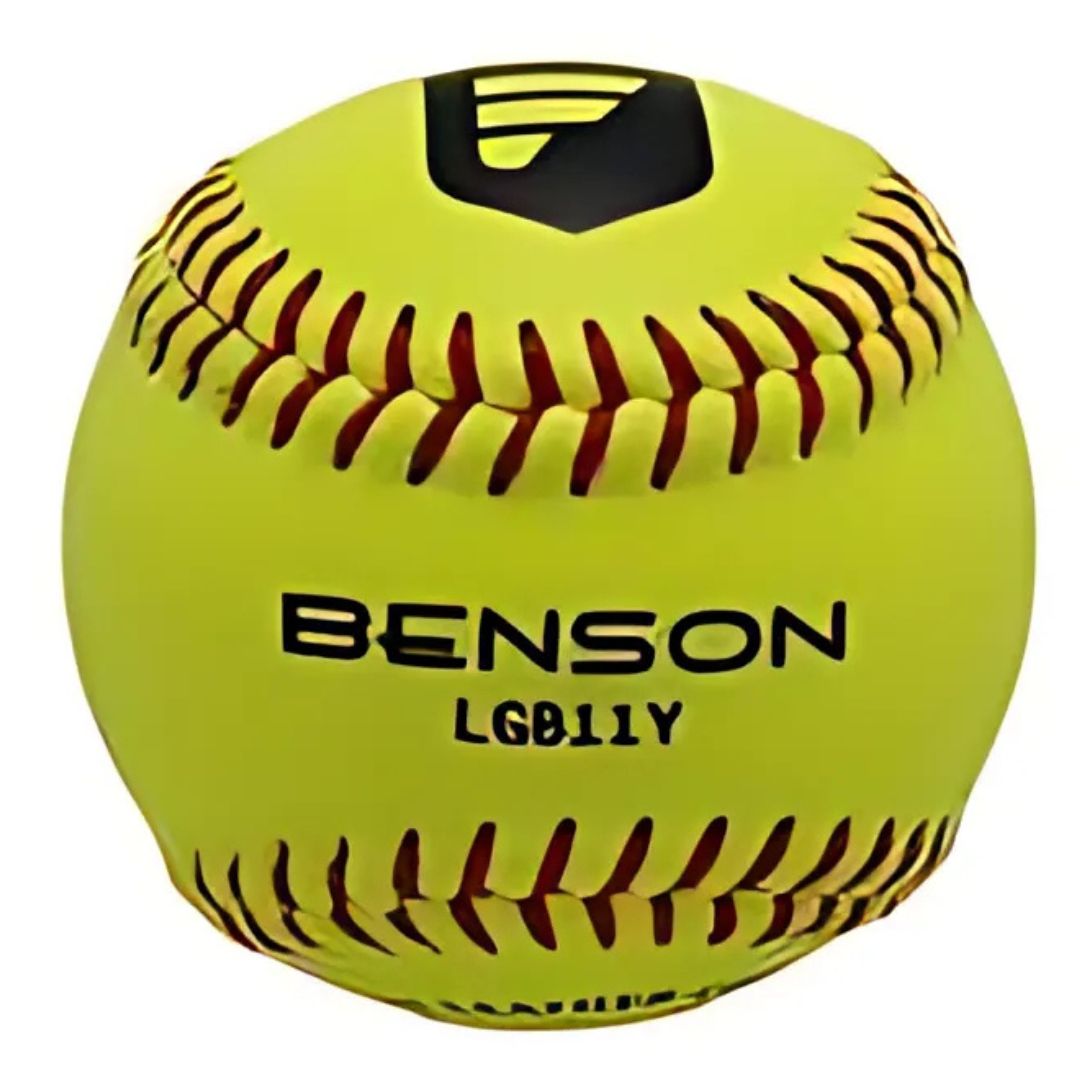
To the untrained eye, all softballs may look the same—just a bright yellow ball ready to be thrown or hit. But there’s more to a softball than its appearance. Size, weight, core, stitching, and cover materials all play a role in how a softball performs. Over the years, softball design and construction have improved greatly, helping players perform better on the field.
Appearance and Materials
At first glance, a softball looks similar to a baseball—both have a round shape, stitched seams, a core, and a leather cover. But there are key differences. One of the biggest differences is inside: softballs do not contain yarn between the core and the cover, unlike baseballs. This gives the ball a different sound when hit and affects how it reacts during play.
Core: What’s Inside the Ball?
The core of a softball is usually made from polyurethane or kapok (a mix of cork and rubber). The size and density of the core vary based on league regulations. For example, fastpitch and slowpitch softball balls may have different core specifications.
Even though the circumference of the core can differ between leagues, most organizations use the same core materials. This helps keep performance consistent across different levels of play.
Cover: Leather or Synthetic?
The cover of a softball is made from either natural leather or synthetic leather. Both materials are durable and commonly used at all levels.
Unlike baseballs, softballs come in two main colors:
The bright yellow color improves visibility for players and spectators, especially under lights or in low-light conditions.


COR (Coefficient of Restitution)