Buying Guide
Last updated: 19 January 2026 | 3 min read

A properly fitting mouthguard is crucial for getting the best protection for your teeth during football. Whether you play American football, tackle football, or flag football, the right mouthguard can help prevent serious dental injuries. Wearing a mouthguard for football is essential, but it should never hinder your breathing or speech on the field. Modern mouthguards come in different models, sizes, and shapes making it difficult to know which one is best for you. That’s why we’ve created this American football mouthguard buying guide to help you understand the key features, find the right fit, and choose a mouthguard that offers both protection and comfort.
When buying a mouthguard for American football, there are several factors to consider. The first is whether the mouthguard works with braces or not, since not every model is designed for players with orthodontics.
If you play a position where communication is key, such as quarterback, linebacker, or captain, you may benefit from a slim football mouthguard that fits tightly. This design makes it easier to speak and breathe while still keeping your teeth protected.
For players who prioritize maximum safety, a lip protector mouthguard is a strong choice. These mouthguards come with a molded fit and an oval-shaped shield that completely covers the lips for added protection. The trade-off is reduced speech and airflow, which makes them especially useful for high-contact positions like linemen or running backs.
And if you wear braces, there’s no need to worry. Many leading brands offer mouthguards designed for braces, clearly noted on the packaging. These models adapt to the shape of your teeth as they shift, ensuring protection all season long, without the need to buy a new mouthguard every few weeks.
Almost every football mouthguard can be customized to some degree. For the highest level of fit, you can visit a dentist for a fully custom mouthguard. These are made by taking a mold of your teeth and sending it to a specialized company. However, professional custom mouthguards can cost up to €200, which makes them less practical for most players.
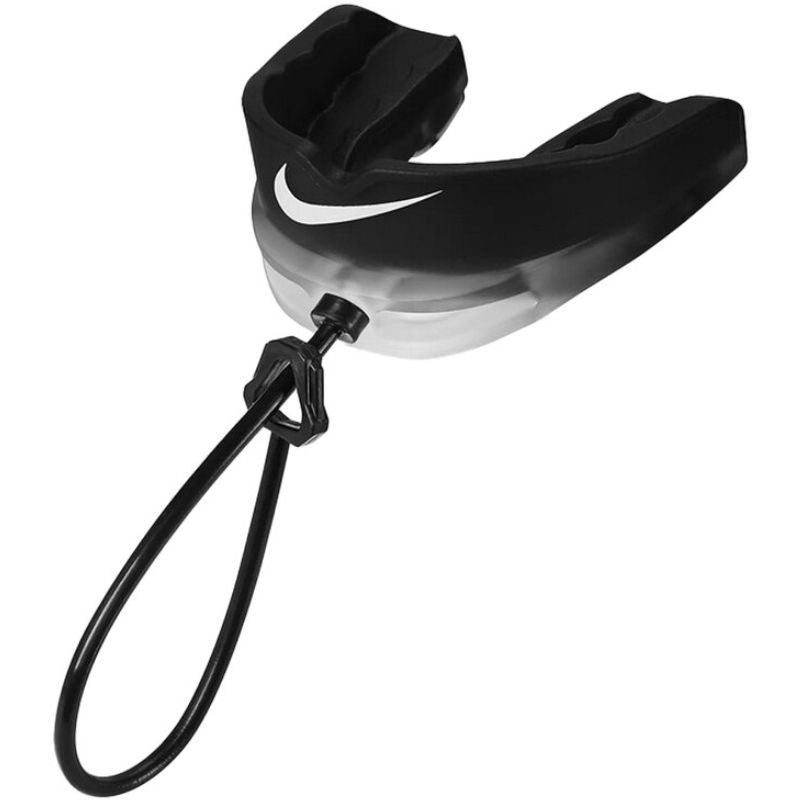
A more affordable option is the popular boil-and-bite mouthguard. This process is simple: place the mouthguard in boiling water to soften it, then bite down to create a snug, personalized fit. Some newer models don’t even require boiling, just dip them in warm water to achieve the same result.
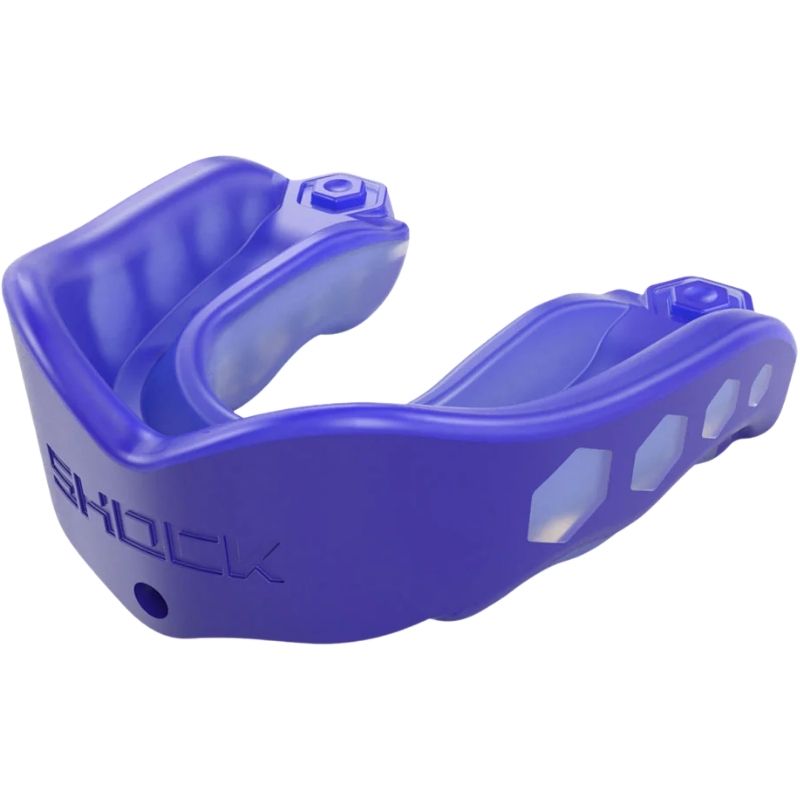
For even more convenience, some brands now offer an instant-fit mouthguard made from a soft gel material. These automatically mold to your bite and are game-ready straight out of the box.
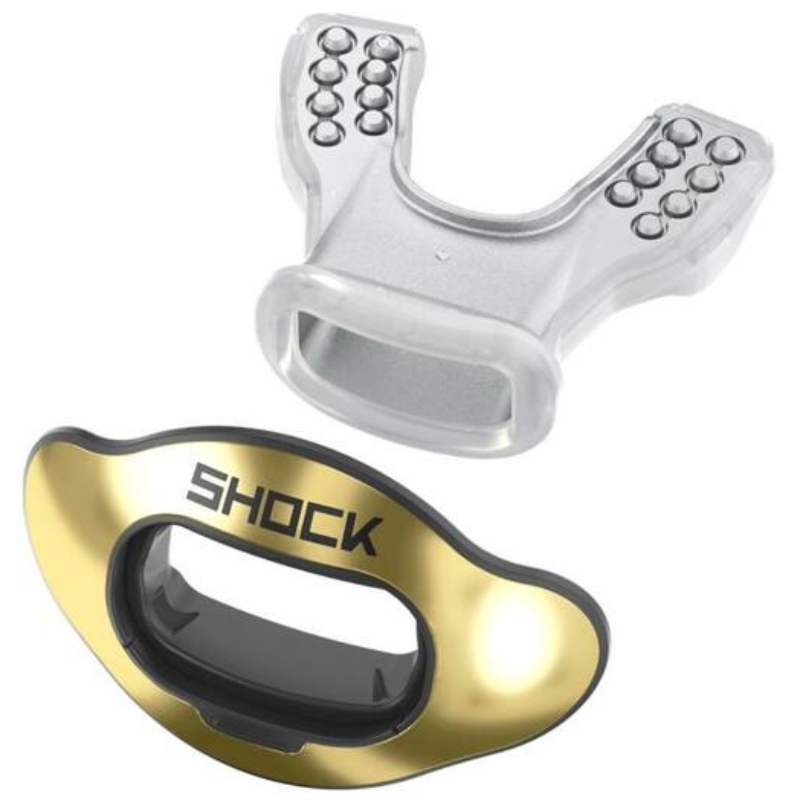
Another innovative option is the Shock Doctor detachable mouthguard. This new style allows you to swap out shields, giving you the flexibility to change the look of your mouthguard for each game or training session. Replacement shields are available separately, so you can customize your style without buying a whole new guard.
Before choosing between a strapped or strapless football mouthguard, always check your local league rules to see which type is allowed. Once that’s clear, the choice comes down to personal preference. Both options have their pros and cons.
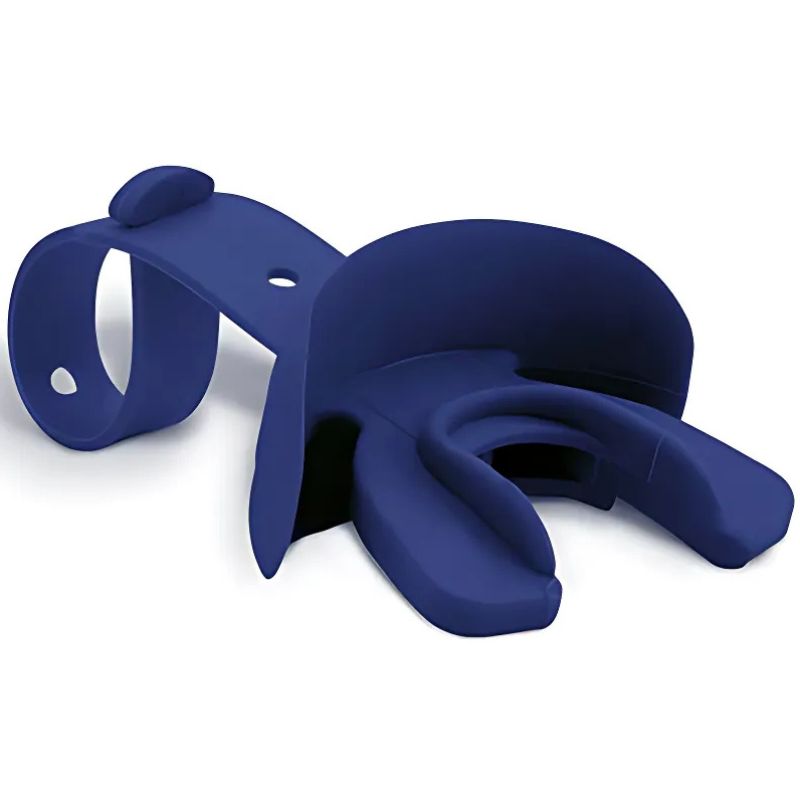
A strapped mouthguard attaches directly to your helmet, making it harder to forget or misplace. As long as you bring your helmet, your mouthguard comes with it. The strap also makes it easy for coaches and officials to see that you’re wearing proper protection. Just remember not to carry your helmet by the tether, as this can damage both the mouthguard and the strap.
On the other hand, a strapless mouthguard offers more freedom and less distraction, since some players find the tether annoying. However, without the strap, it’s easier to lose your mouthguard, and in certain leagues, strapless designs may not be allowed.
If you can’t decide between the two, a convertible mouthguard is a great middle ground.
These models come with a detachable strap, so you can wear them strapped or strapless depending on your preference.
Many convertible mouthguards also include bonus features such as chew resistance for durability or flavored materials
to eliminate the classic rubber taste.