3.50
In stock
Buying Guide
Last updated: 17 September 2025 | 4 min read
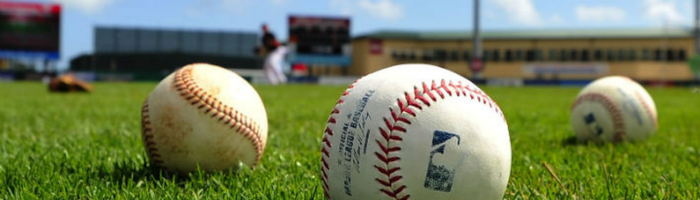
At first glance, a baseball might look simple. But to players who throw, catch, and hit it, every detail matters — especially the 108 stitches holding it together. From the outer cover to the inner core, every part of a baseball affects how it performs on the field.
Let’s break down the most important things to know before buying a baseball, whether it’s for training, games, or youth leagues.
1. Cover Material: Leather vs. Synthetic
When choosing a baseball, the cover material is the first thing to consider. You’ll typically find two types:
Offers a better grip, more durability, and consistent performance. Most game balls are made with leather.
Easier on the budget and more resistant to dirt. Often used for practice or recreational play. Maintains its white color longer but has slightly less feel.
2. Stitching Styles: Raised, Rolled, Flat
The stitches (or seams) affect grip, control, and how the ball flies through the air.
Stitches stick out more. Easier to grip and control. Ideal for beginners, training, or casual play.
Sits lower than raised seams. Offers a balance between grip and aerodynamics. Common in Little League, high school, and pro games.
Seam is nearly flush with the ball. Harder to grip but ideal for pitching machines. Allows a straighter, more consistent flight path.